
Trusted sizing partner for 35+ years
Compound sizing engineered for looms that cannot stopbeams that run cleanshifts that never vary
One cooked recipe on native maize starch, modified in our own plant. It replaces the starch, binder and lubricant a mill blends on the floor, so the size box behaves the same way every shift.
- ZDHC Level 3
- OEKO-TEX Eco Passport
- GOTS
- 50+ mills across 22 markets
Trusted by 50+ mills across 22 markets









What it does
Cooked once. Consistent every beam.
A conventional recipe is assembled at the mill, weighed by whoever is on shift. Every component is a variable, and variables compound into warp breaks.
Alpenol ships the compound already cooked to a fixed recipe. The mill weighs one product. Viscosity and film behaviour hold from beam to beam.
Why compound sizing outperforms a site-mixed recipe
Fewer variables
Fewer variables
Cleaner desizing
Cleaner desizing
Consistent film
Consistent film
From warp to loom
Where compound sizing sits in your line
Warping
Step 01
Yarn is drawn from the creel onto the warp beam.
Mixing
Step 02
The compound is charged. One product, weighed once.
Cooker
Step 03
Cooked in our reactors to a fixed process, viscosity checked during the run.
Creel
Step 04
Beams are set for the sizing line.
Size Box
Step 05
The warp sheet passes through the size box and takes up the film.
Leasing Rod
Step 06
Threads are separated cleanly before winding.
Loom
Step 07
The sized warp runs. Fewer breaks, fewer stops.
Desizing happens downstream at the mill, in hot water at 90 degrees.
Four grades to match the warp
All grades
By fibre
By segment
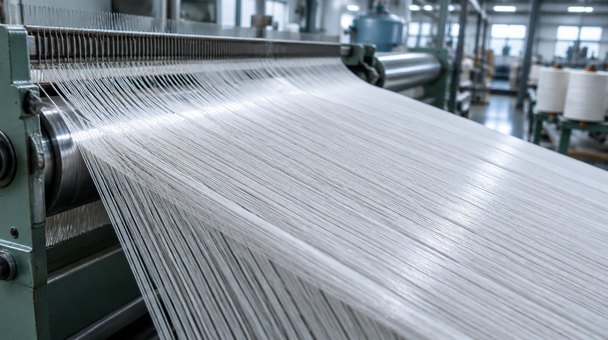
Compound Sizing Agents
General warp sizing across most segments
Cotton, viscose and blends
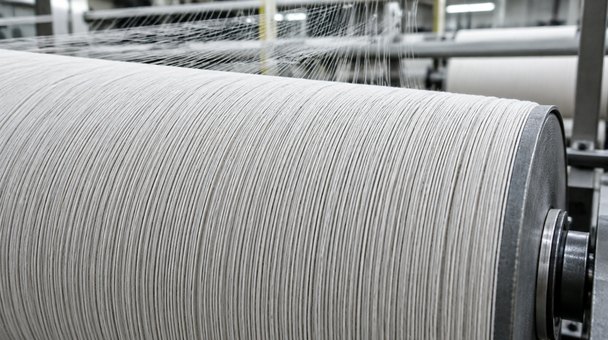
Low-Dosage Compound Sizing Agents
Lower dosage without losing film strength
Up to Ne 60s

Polyester Compound Sizing Agents
Engineered for polyester warps
100% polyester spun yarn only
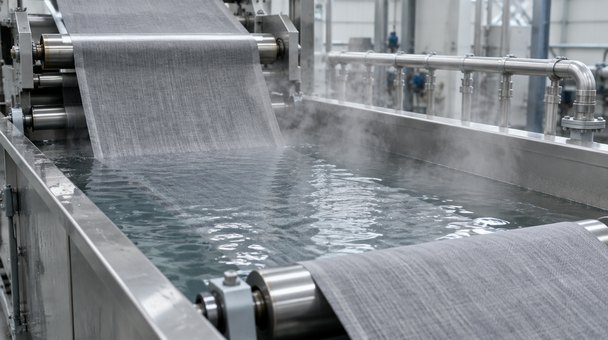
Water Soluble Compound Sizing Agents
Cleaner desizing, lighter effluent load
Hot water at 90 degrees
Polyester warps
The polyester grade is specified for 100% polyester spun yarn. Blends run on the general compound grade.
Fine counts
Low-dosage compound sizing agents size up to Ne 60s. Above that count we specify a different grade.
Effluent load
Water soluble grades desize in hot water at 90 degrees, which lightens the load on the effluent plant.
Tell us the count, the fibre and the loom you run. Request a data sheet →
Heavy warps
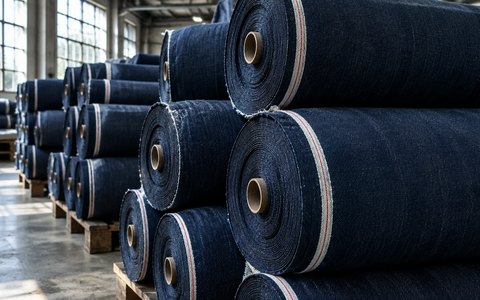
Denim and bottom weights run at high pick densities, where film strength decides loom stops.
Fine counts
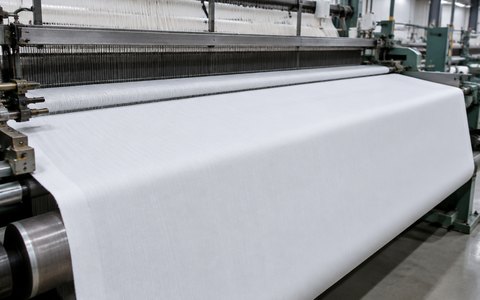
In shirting, hairiness decides grade, so the size film matters more than the dosage.
Bulk widths
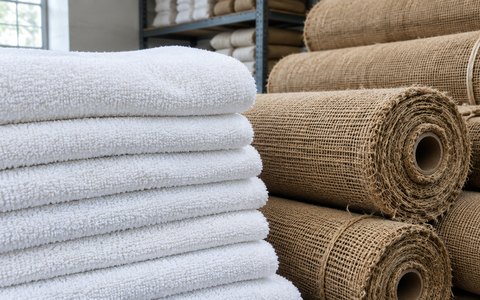
Sheeting and home textiles run wide and long, where batch to batch consistency is the whole argument.
Running something not listed? Ask our technical team →
Engineered and tested
Every batch is released against a spec sheet
Cooked in our own reactors to a fixed process. Batch release against a spec sheet with a certificate of analysis, and OECD 301D biodegradability, COD and BOD data per grade.
Certifications
ZDHC Level 3OEKO-TEX Eco PassportGOTS
Native maize starch, modified in-house. Sizaltex LVN is the gum-based alternative, specified per application. Recommended starting recipe, then adjustment against your own trial result rather than a published range.
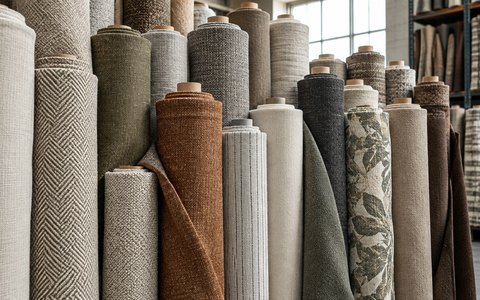
Running in mills across seven segments

Questions mills ask before they trial
What is compound sizing, and how does it differ from a conventional recipe?
One cooked compound replaces the starch, binder and lubricant a mill would otherwise blend on site. Fewer components means fewer variables.
How do you decide the right recipe for our warp?
It depends on your count, fibre, loom type and weave. We recommend a starting point and adjust it against your own trial result.
What are your sizing agents based on?
Native maize starch, modified in our own plant. Sizaltex LVN is the gum-based grade, specified per application.
Which grade suits polyester?
The polyester grade is for 100 percent polyester spun yarn. Blends use the general compound grade.
How do the water soluble grades desize?
In hot water at 90 degrees. They lift off cleanly, which is what reduces the load on the effluent plant.
Can we trial before committing?
Yes. Most mills start with a single trial beam before anything changes at scale.
Get started
Request a technical data sheet
Tell us the count, the fibre and the loom you run. Our technical team replies within one working day with the matching data sheet and a recommended starting recipe.
- One working day response
- No obligation, no sales call
- Answered by an engineer, not a form
We use your details only to answer this enquiry.
Alpenol supplies compound sizing chemistry to weaving mills across 22 markets.
info@alpenol.com · (+91) 9820 297884 · (+91) 22 42336316
© Alpenol · Privacy · Terms